








Catrin Skött
Vedic Art course summer 2025 6 Days 5500 SEK
Couldn't load pickup availability
Basic and advanced course in Vedic Art
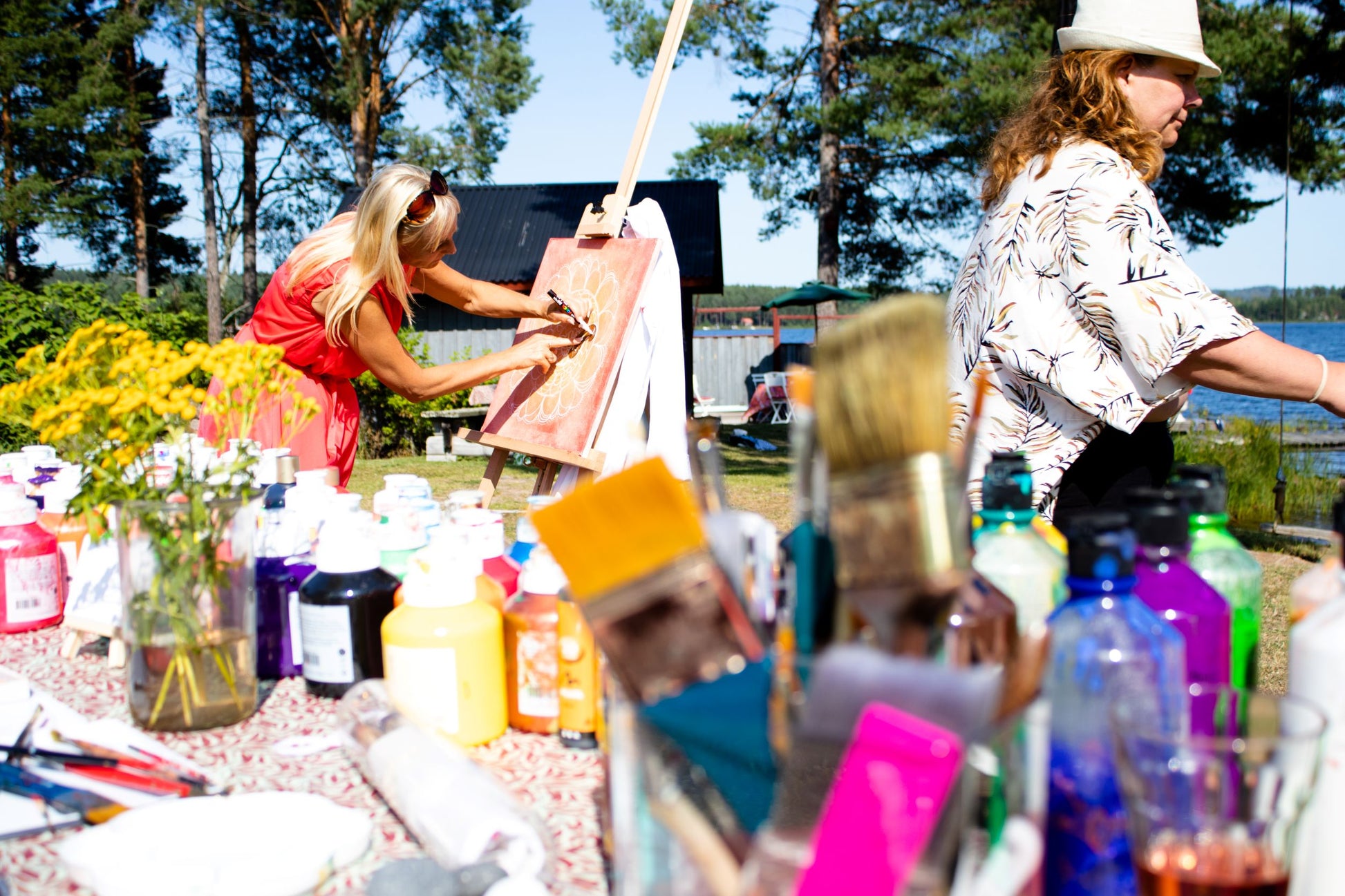
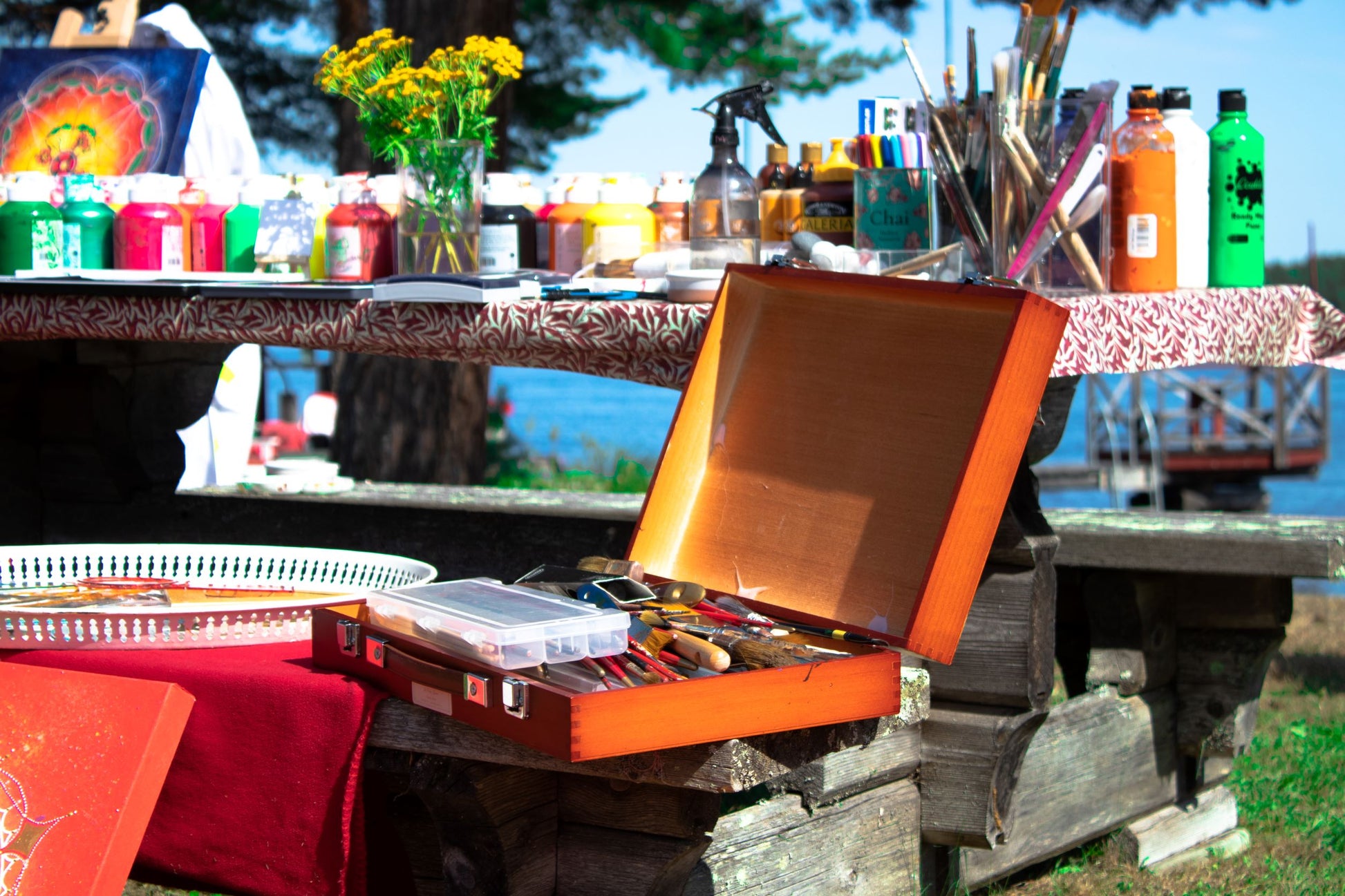
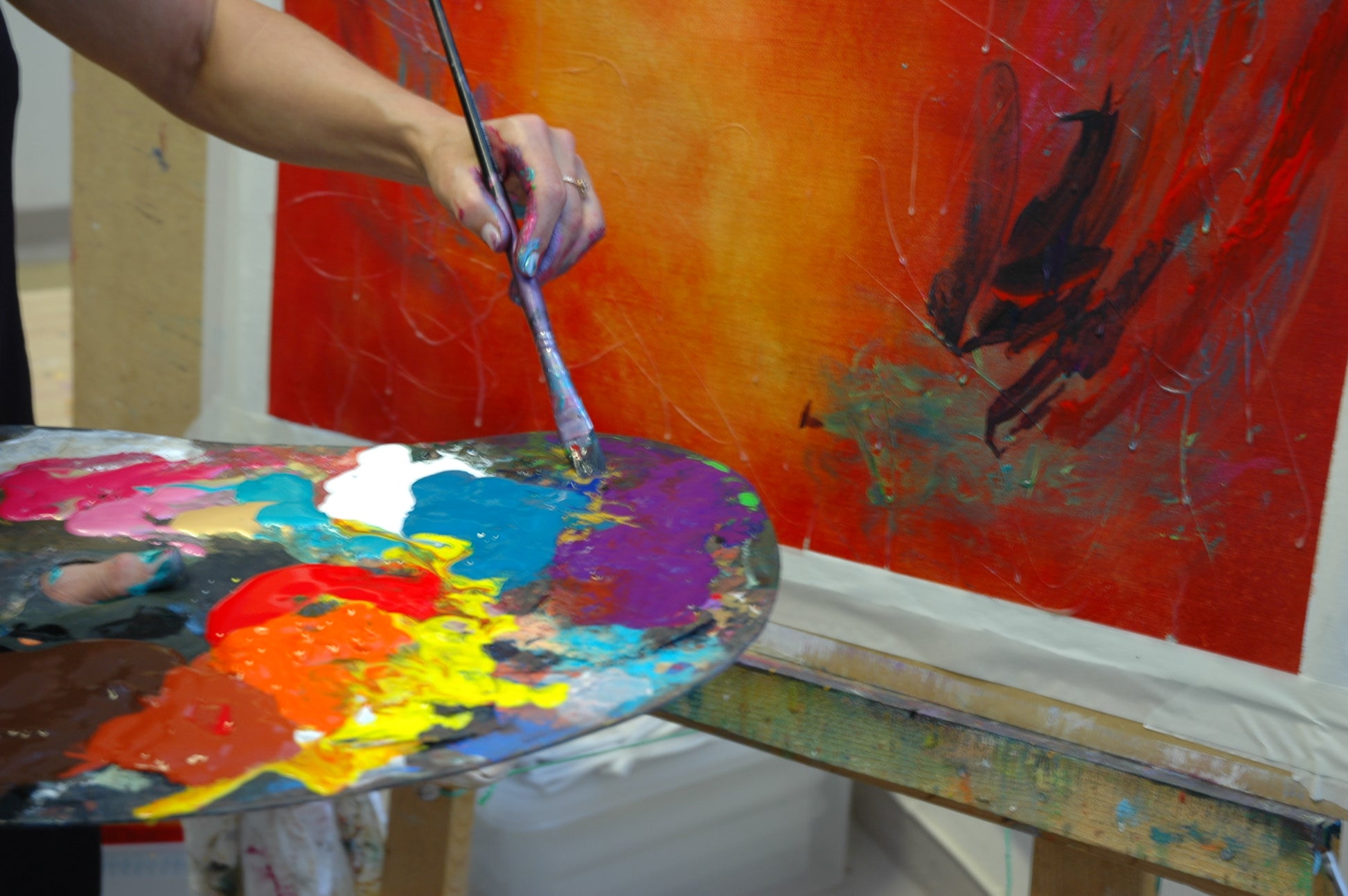
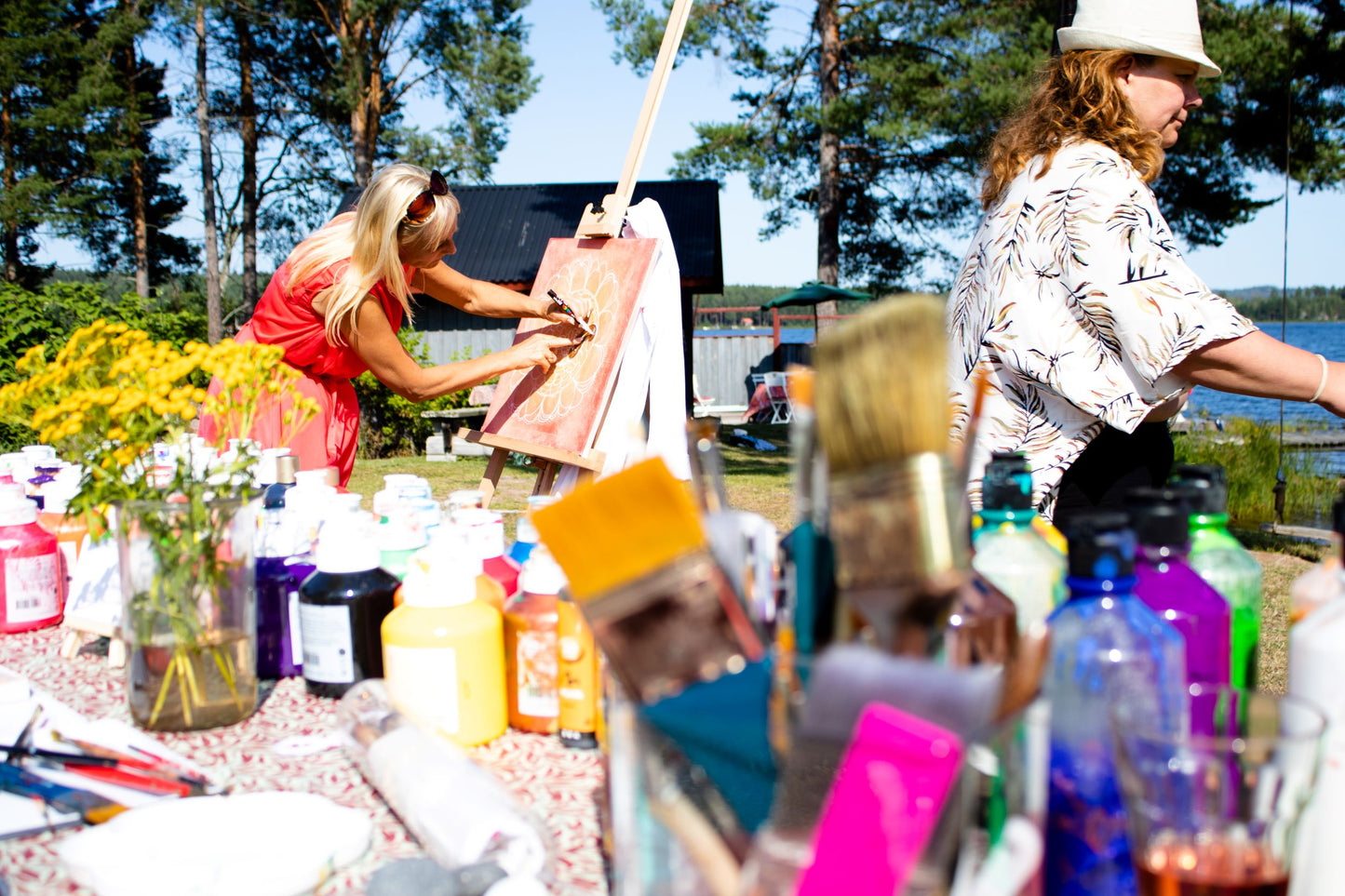
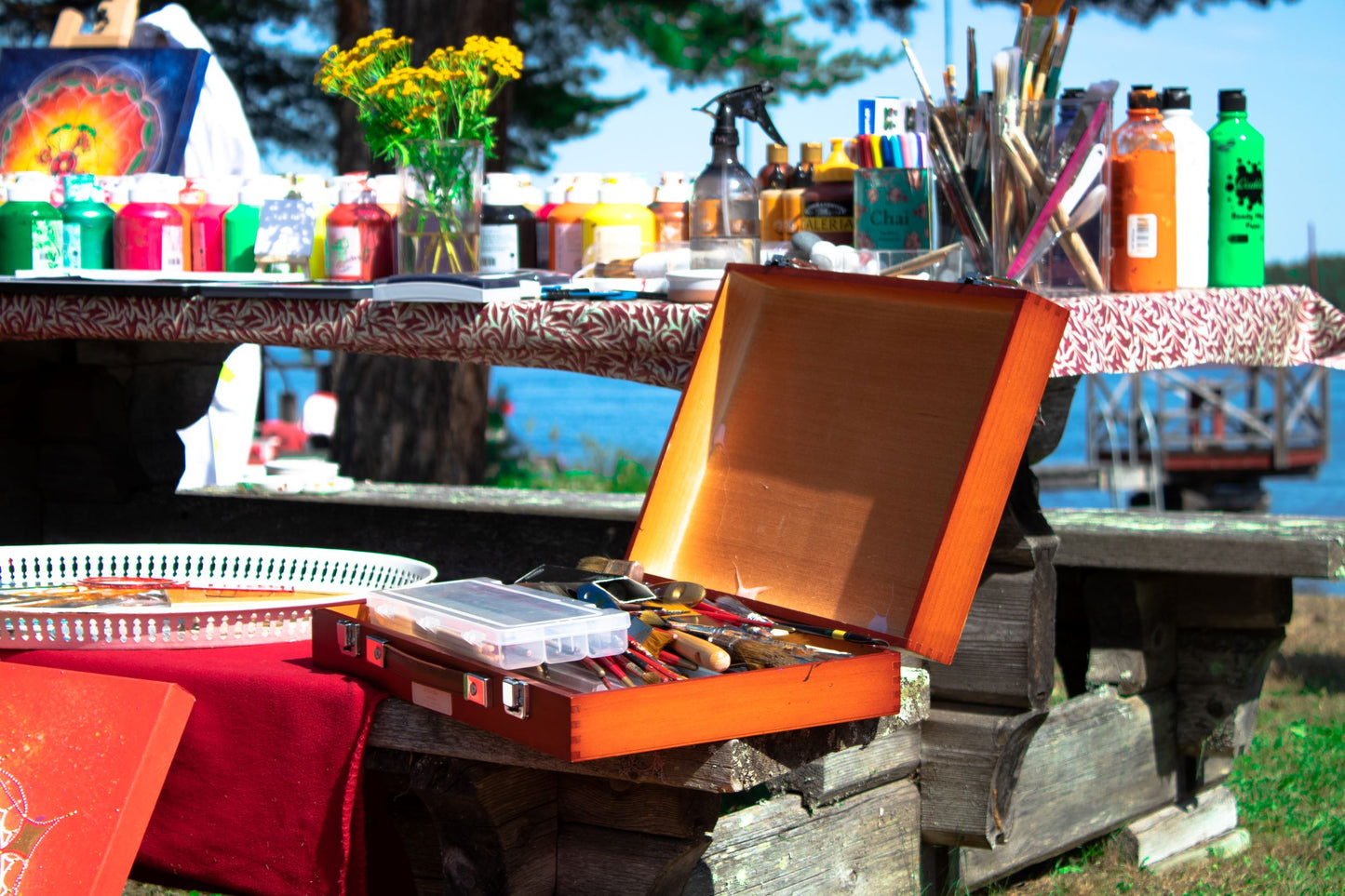
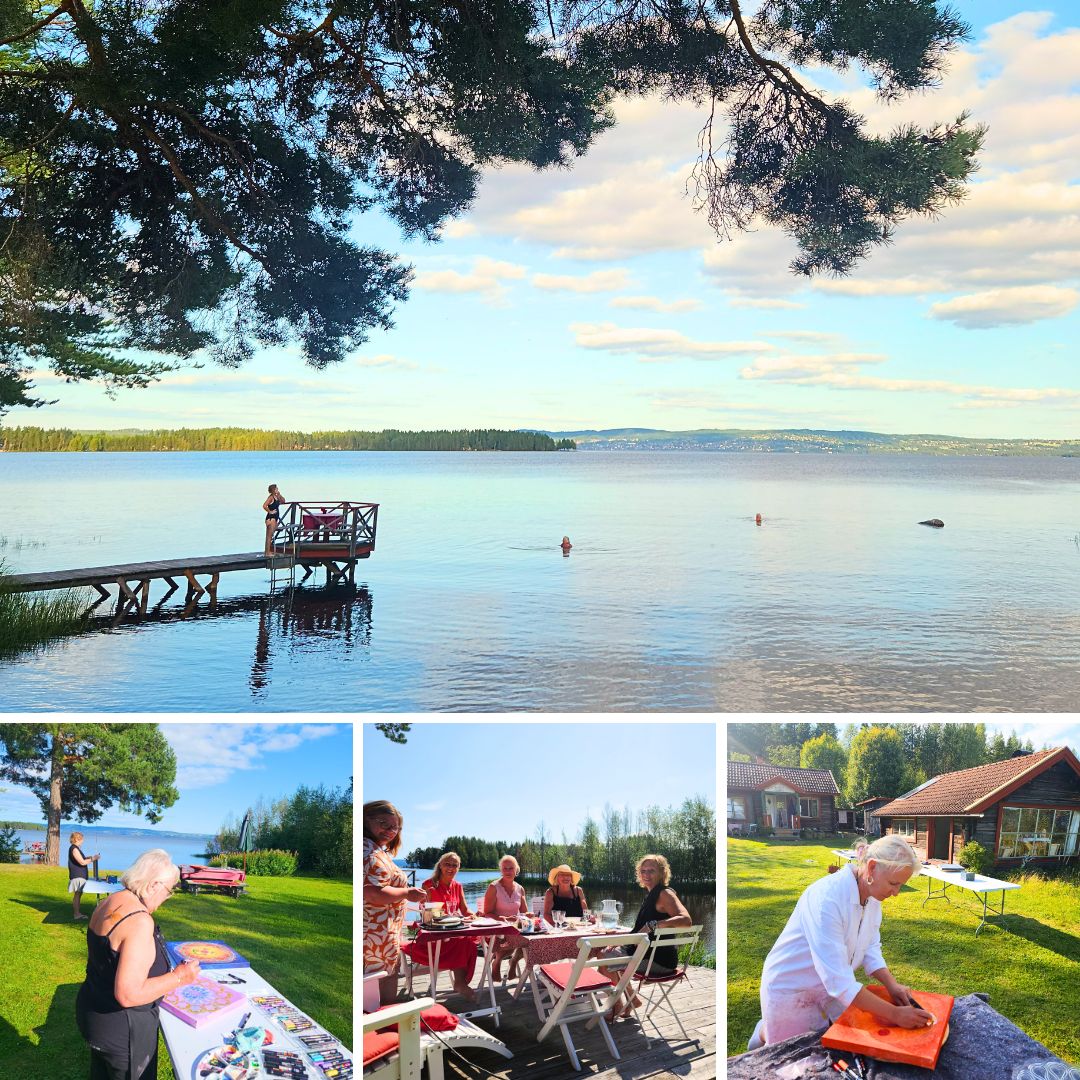
Paint Vedic Art in a peaceful environment by Lake Siljan on our farm in Stumsnäs outside Rättvik in a summer cottage environment, in a small group of max. 5 participants. Here you will meet Dalarna, Lake Siljan and nature in a unique cultural area in creative joy, peace and harmony.
You can sunbathe, swim, take a sauna, row or walk in the forest before and after class times.
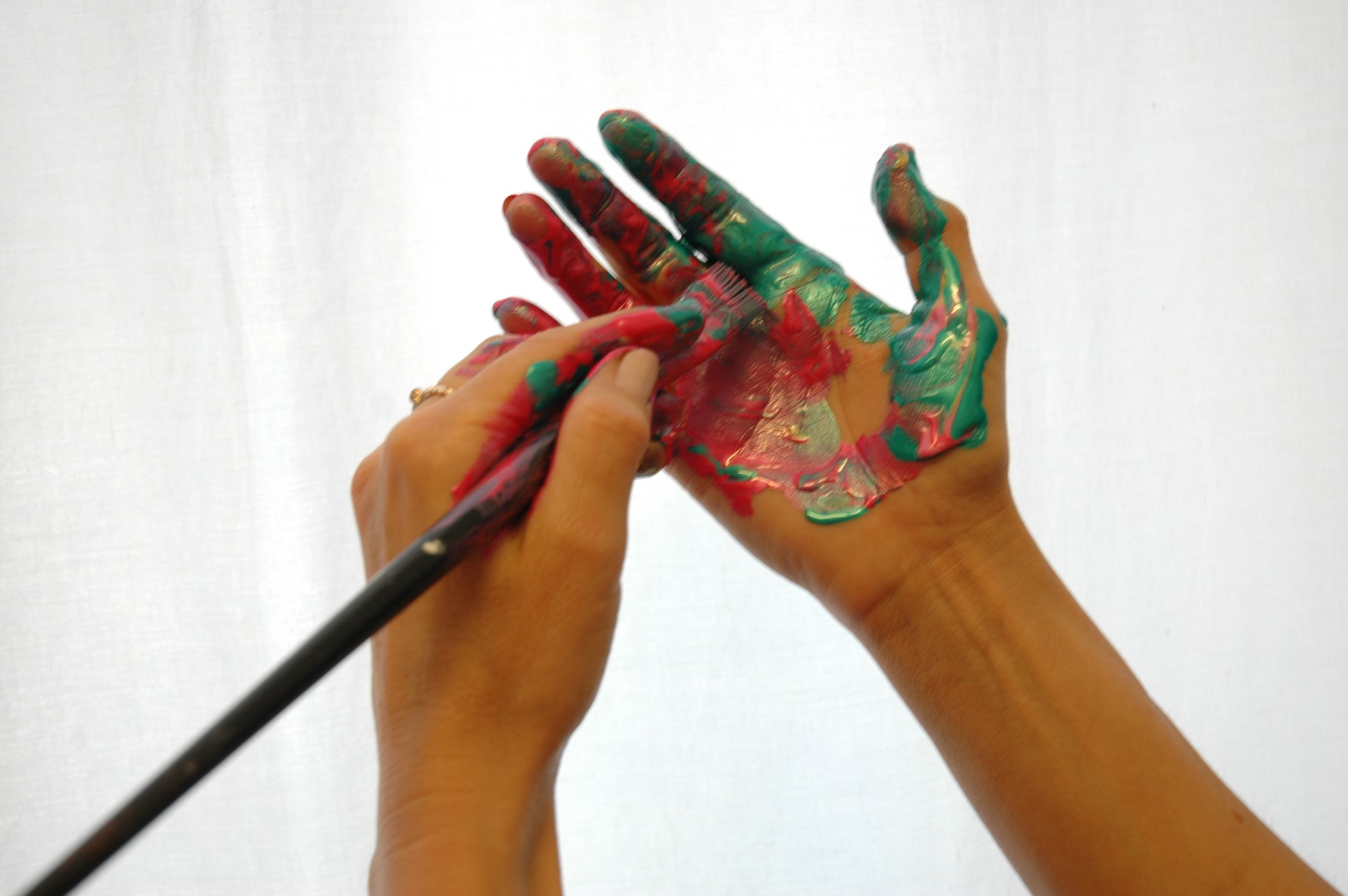
Get in touch with your inner creative power, in a playful way paint freely without demands and performance. You put the pen to the paper and then the creation is in full swing. Paint for yourself, guided by your own desire and feeling!
As a method and tool, we base our work on Vedic Art's 17 steps, principles with associated exercises in theory and practice. Vedic Art is suitable for everyone, both those who have never held a brush before and those who are already experienced artists. There is no achievement. No values. It can never go wrong, there is no right or wrong. Vedic Art is the very best course for those of you who believe that you cannot create. This course teaches you to understand the different principles of painting in a simple way. The course structure alternates painting with theory in order to increase presence and find your own rhythm.
Location: Stumsnäs: By Siljan's beach, Stumsnäs (4km from Vikarbyn, 10 km from Rättvik)
(We can pick you up at Rättvik train/bus station upon arrival and departure if you wish)
Time: 10:00-16:00. You are welcome to install yourself from 09:00 on the day of the course.
Registration fee payment Vedic Art
Registration fee payment Vedic Art
Price: course 6 days SEK 5500. You pay your registration fee of SEK 1,000 at the time of booking and the remaining SEK 4,500 is paid on site at the start of the course. The registration fee is not refundable because I have so few course places, but if you can find a replacement, they can pay you the amount and thus take over your booking.
About Vedic Art
About Vedic Art
In Vedic Art, Indian life principles are linked to the traditional school of painting and become a method, a path where painting and life go together.
For those who have already painted before, Vedic Art becomes an opportunity to deeply let go of the performance and instead relax in the creation. Let creation take care of itself! For those who have never painted before, the pleasant discovery awaits that creation comes from within.
Vedic Art is not about painting or painting in a special way. Nor is it linked to an evaluation of what appears on the screen. The chain of principles aims to guide us towards the personal, the very own expression!
The multi-thousand-year-old Vedic knowledge in India has many branches on its tree. For more than 30 years, the artist Curt Källman has nurtured one branch in particular, art. Curt is a traditionally trained artist at the Gerlesborg School in 1963 and at the Art Academy in Stockholm 1964-69.
In February 1988, Curt Källman established the Vedic Art School at Bosjökloster Castle in Höör. But it was already in 1974 that he received the 17 Vedic principles from the Maharishi, the well-known "Beatles yogi" and the founder of TM, Transcendental Meditation, who then asked Curt to lay a foundation for teaching the principles. And the Maharishi emphasized that it must be a stable foundation, it must last at least 2000 years…. So in 1988 that foundation was laid and teaching could begin.
Vedic Art is a way to achieve higher consciousness through art creation, a creation beyond performance and technical requirements.
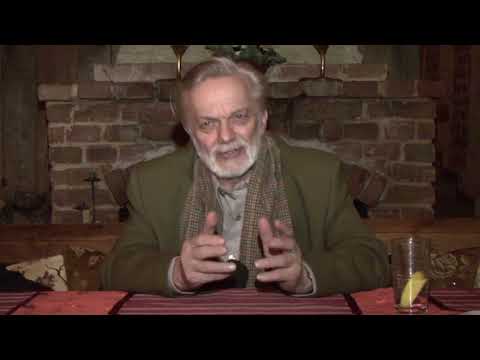
"When we stand in front of a white canvas and are about to start painting, we might think "I don't have enough knowledge to express myself in pictures. I have to learn technique first, I have to practice”. Then we can ask ourselves the question: “Did the great Creator need to practice on another creation first before creating the universe? says Curt Källman
What does it mean to paint yourself to a higher consciousness? What is Vedic Art really good for, in a larger perspective?
"The brushes in the sky and the feet on the earth"- Achieving higher consciousness and going into yourself does not mean distancing yourself from everyday life, on the contrary. We take our increased consciousness into everyday life, among people, that's where it should be useful. Many talk about the new age, about a paradigm shift. But we ourselves have a responsibility to manage this shift, it is not possible without our participation. It is about our life.
Read more about Curt Källman and Vedic Art at www.vedicart.com




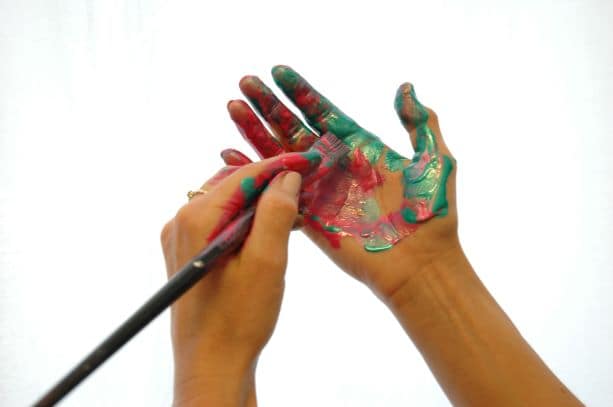
Vedic Art
In Vedic Art, Indian life principles are linked to the traditional school of painting and become a method, a path where painting and life go together.
Vedic Art is not about painting or painting in a special way. Nor is it linked to an evaluation of what appears on the screen. The chain of principles aims to guide us towards the personal, the very own expression!
The multi-thousand-year-old Vedic knowledge in India has many branches on its tree. For more than 30 years, the artist Curt Källman has nurtured one branch in particular, art. Curt is a traditionally trained artist at the Gerlesborg School in 1963 and at the Art Academy in Stockholm 1964-69.
In February 1988, Curt Källman established the Vedic Art School at Bosjökloster Castle in Höör. But it was already in 1974 that he received the 17 Vedic principles from the Maharishi, the well-known "Beatles yogi" and the founder of TM, Transcendental Meditation, who then asked Curt to lay a foundation for teaching the principles. And the Maharishi emphasized that it must be a stable foundation, it must last at least 2000 years…. So in 1988 that foundation was laid and teaching could begin.
Vedic Art is a way to achieve higher consciousness through art creation, a creation beyond performance and technical requirements.
"When we stand in front of a white canvas and are about to start painting, we might think "I don't have enough knowledge to express myself in pictures. I have to learn technique first, I have to practice”. Then we can ask ourselves the question: "Did the great Creator need to practice on another creation first before creating the universe?"
says Curt Källman.
What does it mean to paint yourself to a higher consciousness? What is Vedic Art really good for, in a larger perspective?
"The brushes in the sky and the feet on the earth" - Achieving higher consciousness and going into oneself does not mean distancing oneself from everyday life, on the contrary. We take our increased consciousness into everyday life, among people, that's where it should be useful. Many talk about the new age, about a paradigm shift. But we ourselves have a responsibility to manage this shift, it is not possible without our participation. It is about our life.